The books and both wages

CPA in Waco? We're the Tax CFO alternative: books, payroll setup, return.

Four taps. A plant week is not a kitchen week.

The river, then the two wages.

Question 1 of 4

Of these three, which job do you want done?

Question 2 of 4

Which wage got folded into one line?

Question 3 of 4

Does the campus move the deposits?

Question 4 of 4

What else sits beside the wages?

A quick check

Does any writing require a signature?

An audit, a review, and a compilation are reports an outsider may rely on. A loan covenant, investors, a public contract, an association rule, or a nonprofit bylaw is the usual reason. Two wages on one crew do not create that requirement.

A Tax CFO on this call keeps the two wages apart.

A plant wage and a kitchen wage stay on separate lines when Steven Palmieri joins the video. The month closes on the rhythm the bank already showed, payroll opens in your name, and payday stays yours. The free call says whether that is the fit, and the role on the call is Tax CFO.

You will be talking to the Steven Palmieri practice.

Next you pick a time for a free video call with the Steven Palmieri practice. Nothing to sign, nothing to pay.

Prefer to read first? It's all below ↓

CPA Waco AlternativeThe books and the return, after payroll setup

Steven Palmieri, a Tax CFO and the Entrepreneur's CFO, keeps the books, sets up payroll, and prepares the return with owners in Waco.

Count both wages

Where the two wages sit.

Steven Palmieri, Tax CFO

You will be talking to the Steven Palmieri practice.

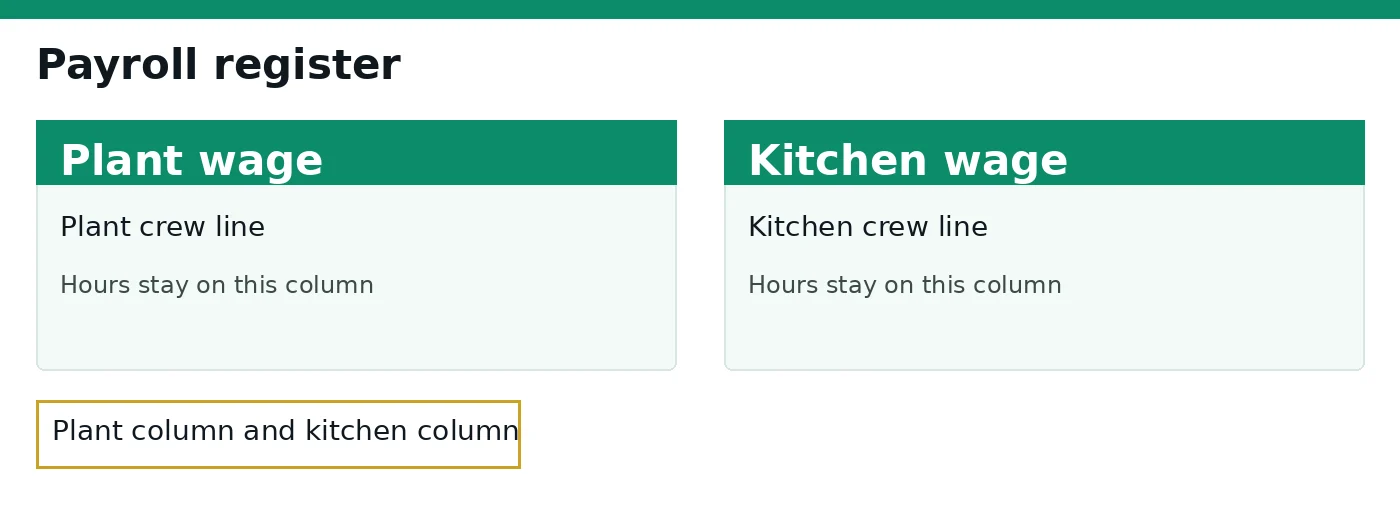
CPA Waco typed on the first frame, then two wage lines kept apart by a gold divider
The suspension bridge over the Brazos in Waco, open to people on foot

The practice is in Dallas, the file is shared on a video call, and the close lands on the same day in Waco as it does ninety miles up I-35.

Six notices we open on a video call

Six notices we sort with owners in Waco.

  1. 1Plant hire mixed into a kitchen bid

    Plant hire mixed into a kitchen bid

    We split the month by which wage the person was hired on, before anyone averages the two into one quiet line.

    Bring the last hire and the bid it was priced against.

  2. 2Bank and books disagree

    Bank and books disagree

    We start at the newest month the statement already matches, and the next month has to follow that one.

    Name the last month a plant deposit and a kitchen deposit both cleared.

  3. 3No provider on payday yet

    No provider on payday yet

    The payroll provider gets opened in the company's name, and payday itself stays yours to run. We gather what a notice asks for and we leave payday with you.

    Say whether payday already has a provider open in the company name.

  4. 4April wants the asset list

    April wants the asset list

    The usual last day is the fifteenth of April. A letter to the appraisal district can hold the same list until the fifteenth of May, and we park that list on the close calendar.

    Say whether last year's list still matches the shop.

  5. 5A letter wants an audit

    A letter wants an audit

    A signature on an audit, a review, or a compilation is outside this practice. The first call says so, and the letter is pointed at a firm that can sign it.

    The disclosures page names the three signatures this practice will not give.

  6. 6Company return still open

    Company return still open

    We prepare the company return and the personal return from months the bank already agrees with, while the year can still change.

    Tell us which decisions are still open.

Open a Brazos notice

Why the two wages cannot share one line.

Manufacturing is the largest private employment group in McLennan County, and food service is large too, at a very different weekly wage. A hire on the plant side and a hire in a kitchen are not the same cost, and they are not the same story on the return.

When both wages get averaged into one quiet line, a bid gets priced on the wrong week. We leave the two lines named until the close has a name for each.

The published county averages are public figures, not a crew's paycheck. We use them only to show why the blend lies. Your own rates stay in your file.

What a finished month looks like.

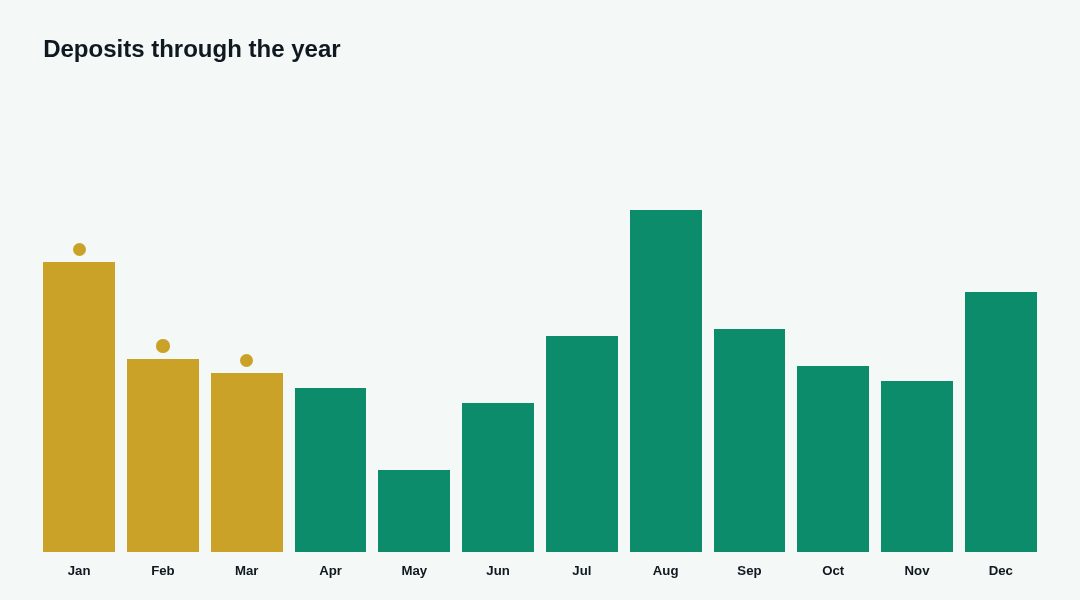
A month earns the word finished only after every account has been set beside the bank and the leftovers have names. The chart is mapped so spring can prepare the return from that same file, instead of rebuilding it from a shoebox.

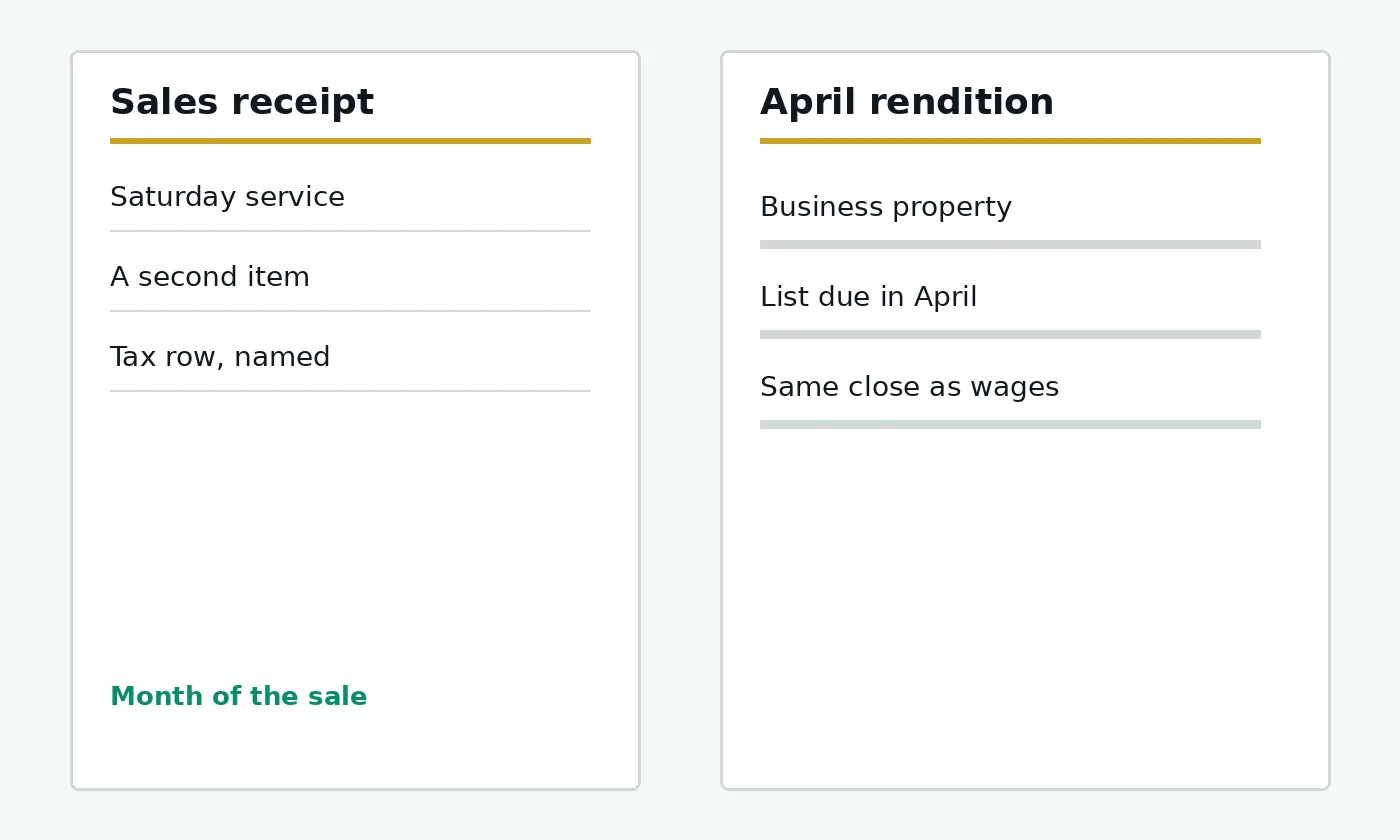
Payroll setup is the opening of a provider in your name. After that opening, you run payday. We do not run payday for you.

What we will hand a lender is a set of statements already tied to the bank. A month that is still open stays in the conversation. A signed opinion is a different request, and the disclosures page is where that boundary is written.

The year while it can still change.

October is early enough to see owner pay, a slow quarter, and equipment you might still buy. We read those choices from the closed months, not from a guess.

Quarterly estimates belong on the same calendar as the close, so April is not the first time the balance appears. October is the month we would rather show you a thin quarter, before a late return is the first time you see it.

A July week on a plant floor and a July week in a kitchen are still two wages. Crews plan the day around the heat, and the hours still have to land in the month they were earned. We read that week on the close, and we do not let a hot Friday push the timesheet into the next month.

Steven Palmieri, Tax CFO.

Steven Palmieri, Tax CFO

The Entrepreneur's CFO. The close, the payroll setup, and the return, kept together.

Send the month you trust.

One sentence on the books, the payroll setup, or the return is enough to start.

Steven Palmieri, Tax CFO

You will be talking to the Steven Palmieri practice.